Digital Marketing Strategies That Actually Work for Small Businesses
small businesses can no longer rely only on word-of-mouth or traditional advertising. Digital marketing has become essential for reaching new customers, building trust, and driving consistent sales. The good news? You don’t need a huge budget to succeed. With the right digital marketing strategies, small businesses can compete with larger brands and achieve sustainable growth.
This blog explores digital marketing strategies that actually work for small businesses, focusing on practical, cost-effective methods that deliver real results.
1. Build a Conversion-Focused Website
Your website is the foundation of all digital marketing efforts. No matter how strong your marketing campaigns are, if your website is slow, confusing, or outdated, visitors will leave without taking action.
What works:
- Fast loading speed
- Mobile-friendly design
- Clear navigation
- Strong call-to-action (CTA)
- Trust elements like reviews, testimonials, and certifications
A simple, user-friendly website with clear messaging converts visitors into leads and customers more effectively than flashy designs.
2. Search Engine Optimization (SEO) for Long-Term Growth
SEO is one of the most powerful digital marketing strategies for small businesses because it delivers free, long-term traffic. When done correctly, SEO helps your website appear in Google search results when people are actively looking for your products or services.
Effective SEO strategies include:
- Keyword research focused on local and service-based searches
- Optimizing page titles, meta descriptions, and headings
- Publishing high-quality blog content
- Improving website speed and mobile usability
- Building quality backlinks
SEO takes time, but once rankings improve, it consistently drives qualified leads without recurring ad costs.
3. Local SEO to Attract Nearby Customers
For small businesses serving a specific location, local SEO is essential. Many customers search using phrases like “near me†or include city names in their searches.
Local SEO tactics that work:
- Optimizing your Google Business Profile
- Collecting genuine customer reviews
- Using location-based keywords
- Adding your business to local directories
- Ensuring consistent NAP (Name, Address, Phone) details
Local SEO helps your business appear in Google Maps and local search results, bringing high-intent customers directly to your doorstep.
4. Content Marketing That Educates and Converts
Content marketing builds trust and positions your business as an expert in your industry. Instead of directly selling, you provide value through helpful and informative content.
Content ideas for small businesses:
- Blog posts answering customer questions
- How-to guides and tutorials
- Case studies and success stories
- FAQs and comparison articles
High-quality content improves SEO, keeps users engaged, and encourages them to choose your brand over competitors.
5. Social Media Marketing with a Clear Purpose
Social media is not about being everywhere—it’s about being where your audience is. Small businesses should focus on platforms that match their industry and customer behavior.
Best practices:
- Choose 1–2 platforms (Facebook, Instagram, LinkedIn, etc.)
- Post consistently with value-driven content
- Engage with comments and messages
- Share customer stories, behind-the-scenes content, and offers
Organic social media builds brand awareness and trust, while paid promotions help expand reach and generate leads quickly.
6. Paid Advertising for Instant Results
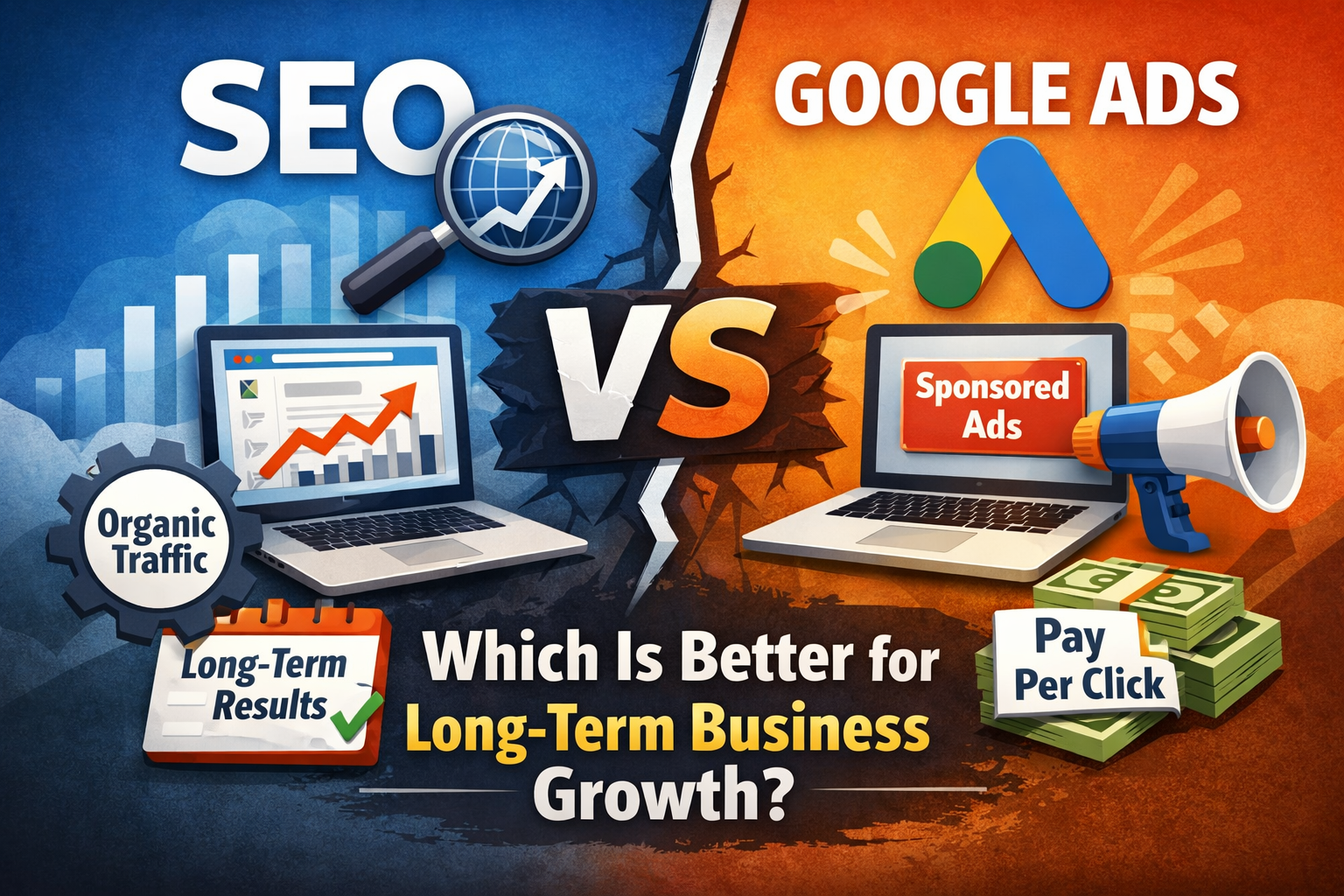
While SEO is a long-term strategy, paid ads deliver immediate visibility. Platforms like Google Ads and social media advertising allow small businesses to target specific audiences with precision.
What works best:
- Google Search Ads for high-intent keywords
- Facebook and Instagram ads for brand awareness and leads
- Retargeting ads for website visitors
Start with a small budget, test ad creatives, and optimize based on performance to maximize ROI.
7. Email Marketing for Customer Retention
Email marketing remains one of the most cost-effective digital marketing strategies for small businesses. It helps nurture leads, retain customers, and encourage repeat purchases.
Effective email marketing includes:
- Welcome emails for new subscribers
- Promotional offers and discounts
- Educational newsletters
- Personalized recommendations
Building an email list gives you direct access to your audience without relying on algorithms or paid ads.
8. Video Marketing to Boost Engagement
Video content is growing faster than any other digital format. Short videos help explain products, showcase services, and build trust quickly.
Simple video ideas:
- Product demos
- Customer testimonials
- Business introductions
- Tips and quick tutorials
You don’t need professional equipment—smartphone videos with good lighting and clear audio work just fine.
9. Analytics and Continuous Optiminzation
Digital marketing success depends on tracking performance and making data-driven decisions. Tools like Google Analytics and Search Console help you understand what’s working and what needs improvement.
Key metrics to monitor:
- Website traffic
- Conversion rates
- Bounce rates
- Keyword rankings
- Ad performance
Regular analysis ensures your marketing strategies stay effective and aligned with business goals.
10. Focus on Consistency, Not Perfection
Many small businesses fail at digital marketing because they expect instant results. The truth is, consistency matters more than perfection.
Posting regularly, improving gradually, and learning from results will bring steady growth over time.
Final Thoughts
Digital marketing doesn’t have to be complicated or expensive for small businesses. By focusing on proven strategies like SEO, content marketing, local optimization, social media, and email marketing, you can build a strong online presence and attract the right customers.
The key is to start small, stay consistent, and optimize continuously. With the right approach, digital marketing can become your most powerful growth tool.
If you want long-term success, invest in strategies that deliver value—not just visibility.